travel
-
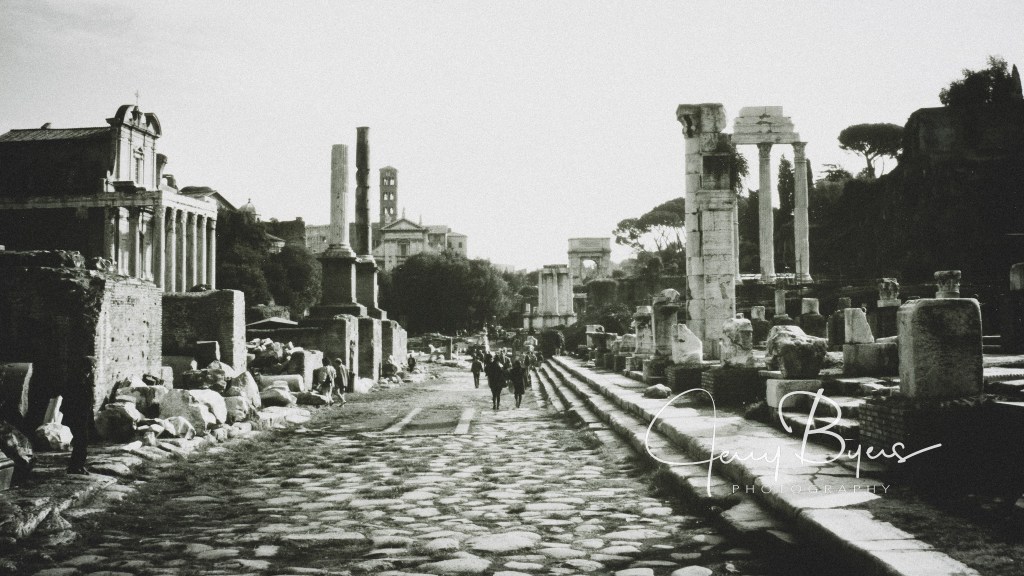
Travel photography captures diverse experiences, cultures, and landscapes. To enhance your skills, plan ahead, pack essential gear, and focus on details and local culture. Use composition techniques like leading lines and framing, experiment with different perspectives, and edit your photos for impact. These strategies create compelling visual stories of your journeys.
-
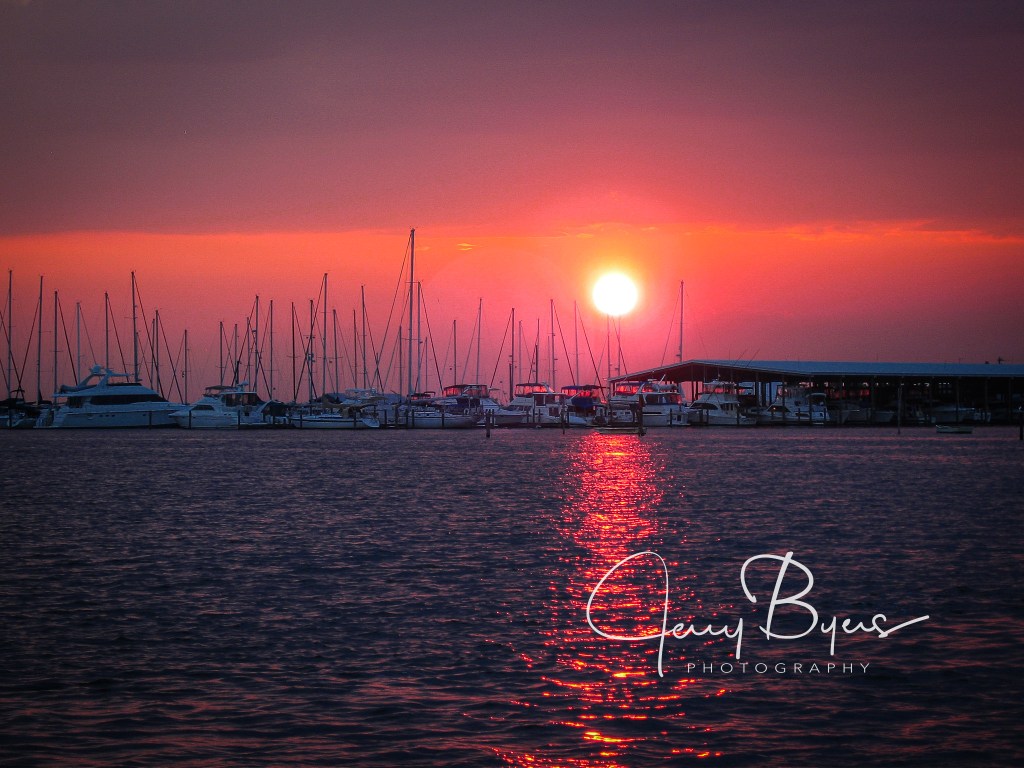
The golden hour, occurring shortly after sunrise and before sunset, provides photographers with magical lighting conditions due to warm, diffused sunlight. To maximize results, plan your shoot, scout locations, use a tripod, adjust camera settings, experiment with compositions, and consider post-processing. Embrace this enchanting time for captivating photography.
-
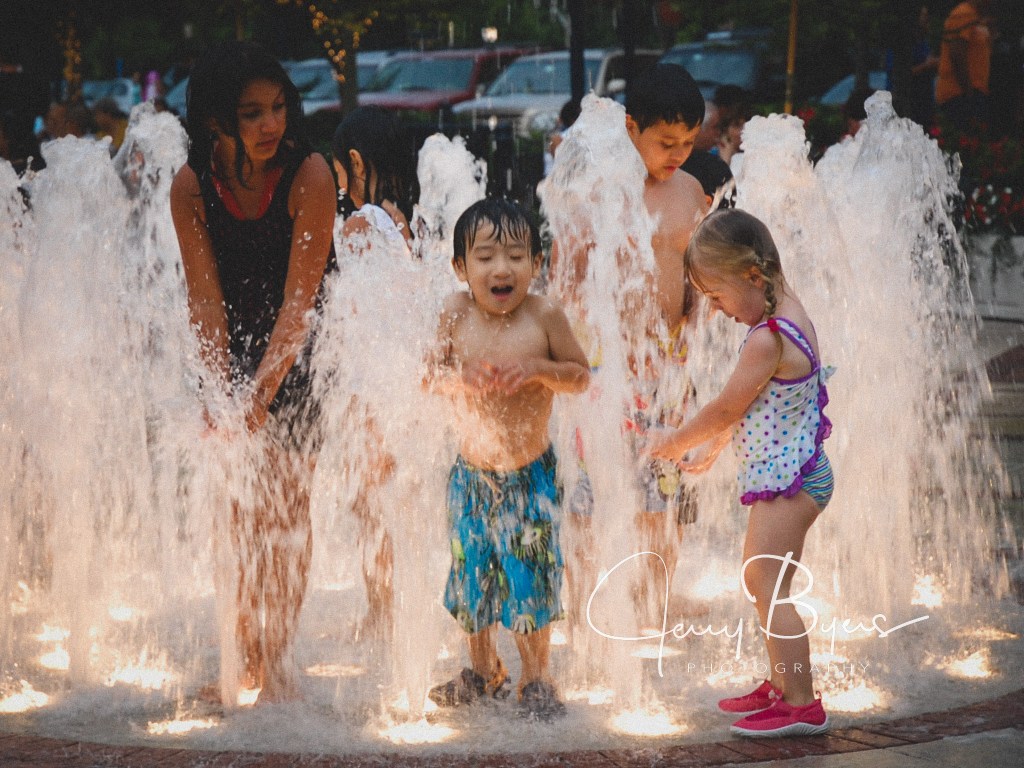
Street photography captures urban life in its rawest form, revealing beauty and stories in everyday moments. Emphasizing spontaneity, essential gear includes lightweight cameras and prime lenses. Techniques such as blending in, zone focusing, and patience enhance candid captures. Compositional and post-processing tips improve images while maintaining authenticity. Embrace the journey of storytelling through photography.
-

The synergy of writing and photography creates a more immersive storytelling experience, as each medium enhances the other. Photographs capture the immediate, while writing conveys deeper emotions and narratives. Together, they allow artists to express their stories with greater emotional resonance and depth, inviting audiences to engage meaningfully with their creations.
-

Traveling enriches experiences through cultural immersion, personal discovery, and purposeful planning. Key strategies include learning local languages, traveling light, engaging with locals, and embracing spontaneity. Staying in local accommodations, documenting reflections, respecting the environment, and giving back can enhance trips. Mindful travel transforms journeys into meaningful adventures. Happy travels!
-

Union Cemetery in Leesburg, Virginia, established in 1855, serves as a public burial ground for all faiths. The author captures the cemetery’s unique atmosphere, particularly a striking tree with vivid fall colors. The site features notable monuments, including a Confederate War Memorial and an unfinished granite column.
-
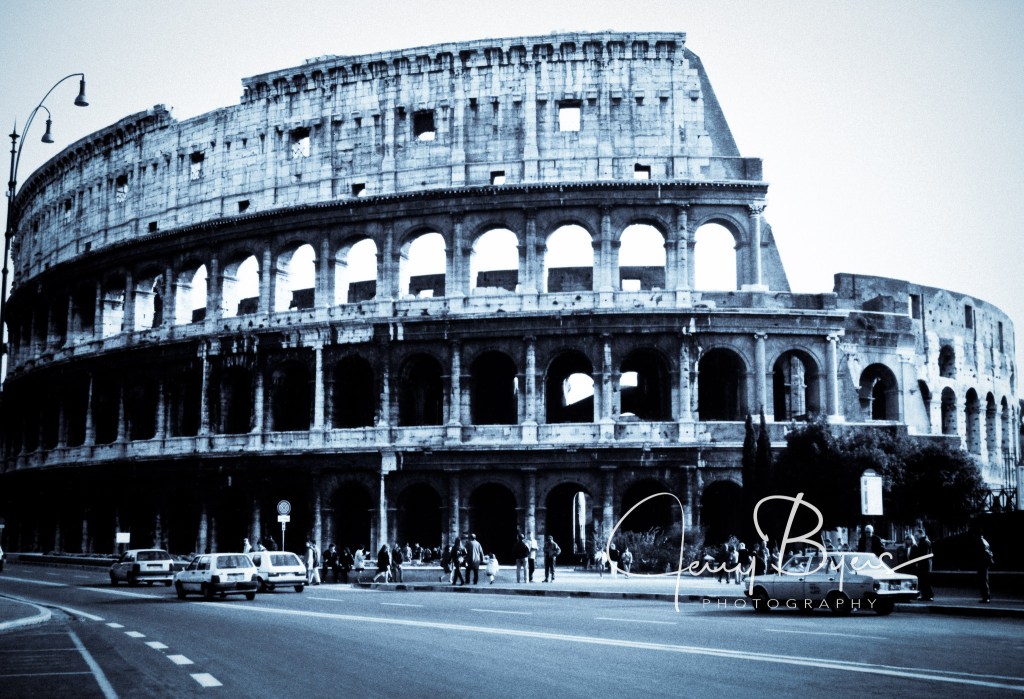
The photo captures vibrant scenes in Italy, highlighting the Colosseum’s architectural significance and cultural identity in ancient Rome. Constructed under emperors Vespasian and Titus, it accommodated 50,000 spectators. Originally named the Flavian Amphitheater, it served as a venue for gladiatorial contests while reflecting the complexities of Roman society and history.
-

The Great Falls Tavern in Maryland, established in 1828 as a locktender’s house for the C&O Canal, served as a home for canal engineers and the first Locktender. Now a Visitor Center and Museum operated by the National Park Service, it attracts visitors with events, boat rides, and rich historical significance, celebrating community life.
 316 Expressions