-

Low-light photography focuses on capturing the beauty and mystery found in darkness, transforming ordinary scenes into extraordinary images. Techniques such as using a tripod, adjusting ISO settings, and employing wide apertures enhance creativity. Embracing available light and post-processing further refines low-light photographs, revealing depth and emotion often overshadowed in daylight.
-

Bokeh is a photography technique that creates a dreamy, out-of-focus background, enhancing the focus on the subject. To achieve bokeh, use a wide aperture, get close to your subject, and ensure distance between subject and background while using longer focal lengths. Creative filters can shape bokeh, and post-processing can further enhance the effect.
-

Jerry Byers is a passionate photographer and writer, inspired by his father’s photography. His journey includes early experiences with various cameras and an evolution from film to digital photography. Embracing modern innovations like smartphones and social media, he continues to explore photography’s dynamic nature, excited to share his experiences.
-

Failing to signal intentions while driving is considered reckless. Virginia law mandates using turn signals, particularly when backing, stopping, or turning. The article humorously discusses various improper signaling habits seen in drivers, such as the Short Blink and It’s My Right Blink, highlighting the confusion and danger they cause on the road.
-

The article discusses the phenomenon of aggressive driving in Washington, DC, likening it to a personal autobahn effect, where some drivers exceed speed limits and demand others to yield. It highlights that legal obligations to yield only apply when drivers are overtaking and emphasizes the importance of awareness and courtesy on the roads.
-

A thermodynamics professor assigned a unique exam question about whether Hell is exothermic or endothermic. While students typically used Boyle’s Law, one student argued that Hell is exothermic due to the exponential increase in souls entering without leaving, concluding that Hell cannot freeze over, thus receiving the only “A” in the class.
-

ONE Give people more than they expect and do it cheerfully. TWO Marry somebody you love to talk to. As you get older, their conversational skills will be as important as any other. THREE Don’t believe all you hear, spend all you have or sleep all you want. FOUR When you say, “I love you,”…
-

The summer was a thrilling mix of adventure and chaos for the narrator and friends. After a spell of boredom, they decided to ride ropes at an old library. However, a rope snapped during a jump, leading to a painful fall that left a lasting scar and a lesson to heed warnings about safety.
-
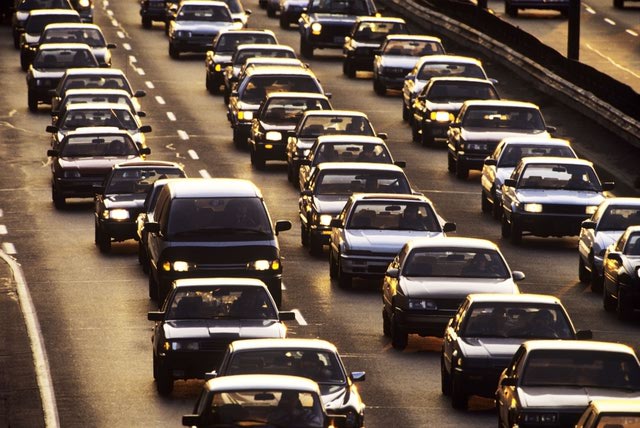
The article discusses Washington D.C.’s traffic issues, attributing them to drivers’ habits, particularly the tendency to “close the gap” rather than maintain a steady speed. This behavior leads to the “Slinky Effect,” causing unnecessary braking and congestion. Additionally, the self-centered attitudes of drivers hinder merging, exacerbating traffic delays.
-

The narrative reflects on childhood memories in a small town with a single general store. Daily visits involved meeting locals, savoring enticing snacks, and participating in comforting rituals. The store symbolized community and nostalgia, with its inviting atmosphere and friendly owner fostering connections among townspeople, creating cherished experiences in a simple environment.
-
Subscribe
Subscribed
Already have a WordPress.com account? Log in now.
 316 Expressions