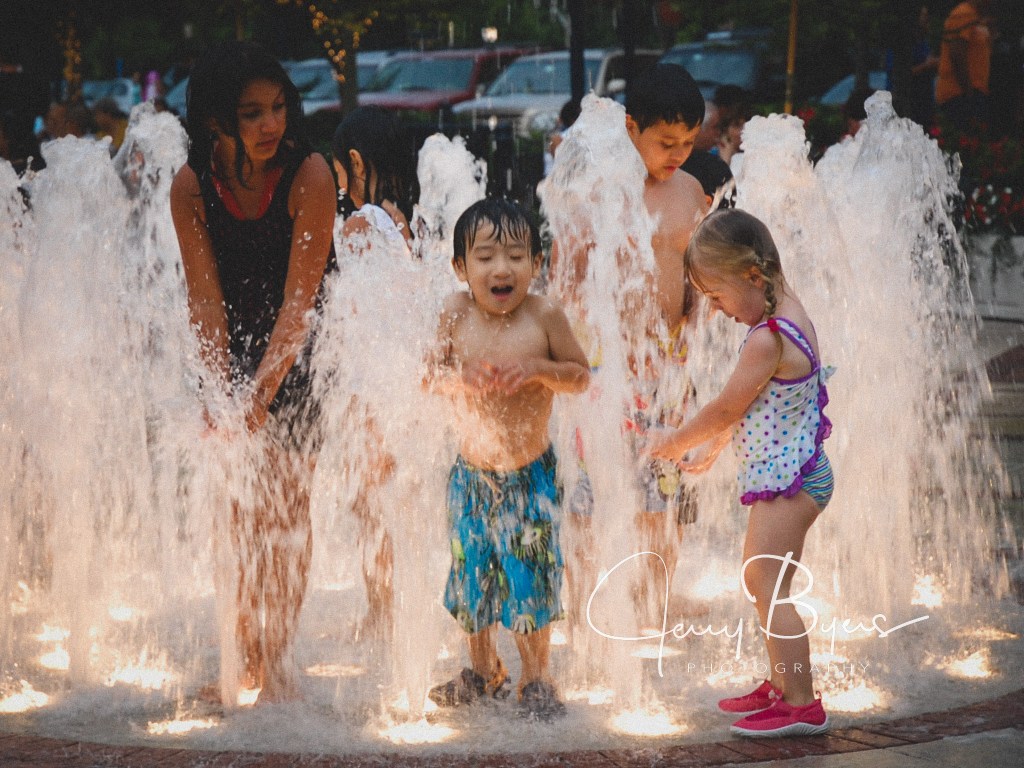
Street photography is a dynamic and vibrant genre that captures the essence of urban life in its rawest form. It’s about seeing the extraordinary in the ordinary, finding beauty in everyday moments, and telling the stories of the streets. Whether you’re wandering through bustling city centers or quiet alleyways, street photography offers endless opportunities to document candid moments and human interactions. In this post, we’ll explore the essentials of street photography and tips for capturing those fleeting, candid moments.
The Essence of Street Photography
Street photography is all about spontaneity and authenticity. It’s about capturing life as it unfolds without staging or directing the scene. The beauty of this genre lies in its unpredictability and the challenge of finding compelling subjects in the chaos of urban environments.
Essential Gear for Street Photography
- Camera: A lightweight, discreet camera is ideal for street photography. Mirrorless cameras or compact point-and-shoots are popular due to their portability and quick response times.
- Lens: A prime lens with a focal length between 35mm and 50mm is perfect for street photography. It offers a natural perspective resembling human vision, making your shots more intimate and engaging.
- Accessories: Consider carrying an extra battery, a small camera bag, and a lens cleaning cloth. Minimal gear ensures you can move quickly and blend into your surroundings.
Techniques for Capturing Candid Moments
- Blend In: Dress inconspicuously and avoid eye contact with potential subjects. The less noticeable you are, the more natural your shots will be.
- Zone Focusing: Pre-focus your camera to a specific distance and use a small aperture (high f-number) to increase the depth of field. This technique lets you quickly capture sharp images without refocusing on each shot.
- Anticipate Moments: Observe the flow of people and activities around you. Anticipating moments and positioning yourself accordingly increases your chances of capturing interesting scenes.
- Patience and Persistence: Street photography requires patience. Sometimes, you may need to wait for the right moment to unfold. Keep your camera ready and stay alert.
- Ethical Considerations: Always respect people’s privacy and be mindful of your surroundings. If someone feels uncomfortable being photographed, be courteous and respectful of their wishes.
Compositional Tips
- Leading Lines: Use lines such as roads, fences, or buildings to guide the viewer’s eye toward the main subject.
- Framing: To focus attention on your subject, Incorporate natural frames like doorways, windows, or arches.
- Rule of Thirds: Use the rule of thirds to place your subject off-center to create a balanced and dynamic composition.
- Juxtaposition: Look for contrasting elements within the scene, such as old vs. new, light vs. dark, or chaos vs. order. These contrasts can add depth and interest to your photos.
Post-Processing Tips
Post-processing can enhance street photographs by adjusting exposure, contrast, and color. However, aim to preserve the authenticity of the moment. Subtle edits can bring out details without altering the essence of the scene.
Final Thoughts
Street photography is a thrilling journey that hones one’s ability to observe and capture the essence of urban life. It’s about finding stories in everyday moments and presenting them in a way that resonates with viewers. By mastering the techniques and embracing the streets’ unpredictability, one can create compelling images that tell powerful stories.
So, grab your camera, step out into the streets, and capture the candid moments that define urban life. Each photograph you take is a piece of the larger mosaic of human experience waiting to be discovered and shared.
Happy snapping!
Jerry Byers
Feel free to share your thoughts, experiences, or favorite photography tips in the comments below. I look forward to seeing your perspective on the art of everyday photography.
 316 Expressions