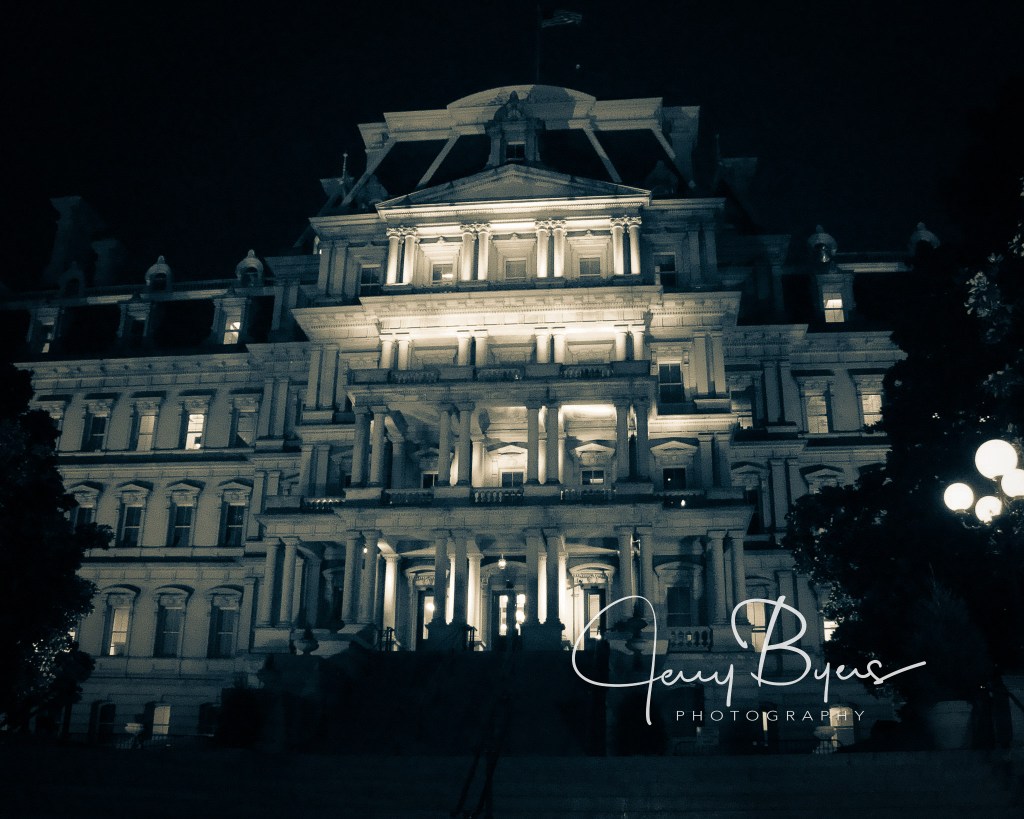
Light often takes center stage in photography, illuminating subjects and painting scenes with brilliance. However, profound beauty lies in the shadows, waiting to be discovered. Low-light photography, the art of capturing the hidden, subtle, and enigmatic, opens up a world of creative possibilities. This post will explore the techniques and inspirations behind mastering low-light photography and how you can transform the dim into dramatic.
The Intrigue of Low Light
Low-light photography is more than just snapping pictures in dim environments; it’s about embracing the moodiness, mystery, and atmosphere that darkness brings. Shadows can add depth and dimension to your images, turning ordinary scenes into extraordinary visual narratives. The interplay between light and dark can evoke emotions, create tension, and highlight contrast in ways that daylight photography often cannot.
Essential Techniques for Low Light Photography
- Use a Tripod: Stability is key in low light conditions. A tripod allows you to use slower shutter speeds without worrying about camera shake, ensuring your images remain sharp and clear.
- Adjust ISO Settings: Increasing your camera’s ISO sensitivity helps capture more light. However, noise can degrade image quality. Find the balance between sensitivity and clarity.
- Slow Shutter Speed: A slower shutter speed lets more light hit the sensor, ideal for capturing low-light scenes and creating dramatic motion blur or light trails.
- Wide Aperture: A wider aperture (lower f-number) allows more light to enter the lens. It also creates a shallow depth of field, making your subject stand out against a beautifully blurred background.
- Use Available Light: Embrace the light sources around you, whether streetlights, candles, or moonlight. These natural and artificial lights can add unique hues and dramatic effects to your photos.
- Manual Focus: In low light, autofocus can struggle. Switch to manual focus to ensure your subject is sharp.
- Post-Processing: Don’t shy away from editing your photos. Enhancing shadows, adjusting contrast, and reducing noise can significantly affect low-light images.
Creative Inspirations
- Urban Nights: Cities are filled with life and light after dark. Capture neon signs’ glow, car lights’ streaks, and the quiet moments in bustling streets.
- Moonlit Landscapes: The soft, ethereal light of the moon can transform landscapes into serene and magical scenes.
- Indoor Ambiance: Cozy, dimly lit interiors with warm lighting can create intimate and inviting photographs.
- Theater and Performances: The dramatic lighting in theaters and live performances offers a rich tapestry of shadows and highlights to explore.
Final THoughts
Low-light photography challenges you to see beyond the obvious and venture into the subtleties of darkness. It’s an art that requires patience, practice, and a keen eye for detail. By mastering the techniques and embracing the creative possibilities, you can turn the absence of light into an opportunity to craft compelling and evocative images.
Whether you’re capturing the quiet solitude of a moonlit night, the vibrant energy of a city after dark, or the intimate glow of a candlelit room, remember that shadows are your allies. They whisper stories the light might overlook, adding depth and emotion to your photography. So, grab your camera, step into the shadows, and let the magic of low-light photography unfold.
Happy snapping!
Jerry Byers
Feel free to share your thoughts, experiences, or favorite photography tips in the comments below. I look forward to seeing your perspective on the art of low-light photography.
 316 Expressions